
Why in News?
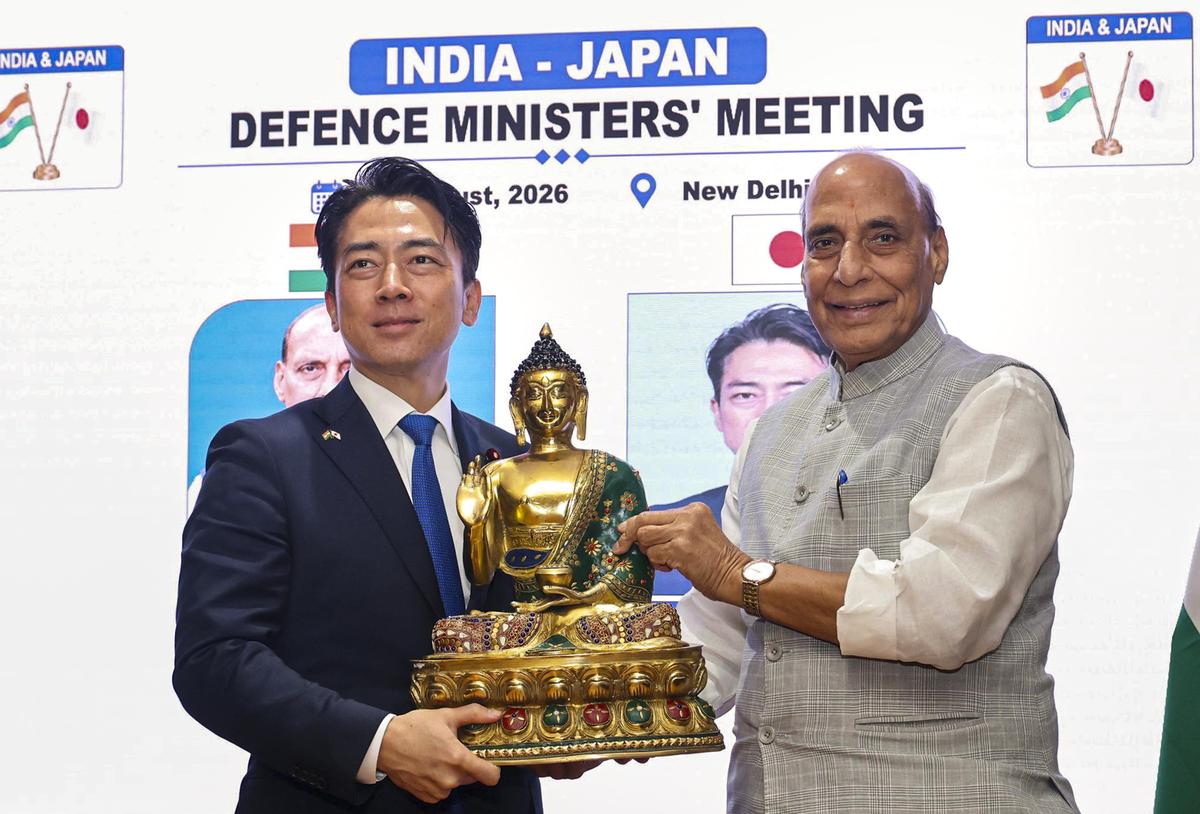
India and Japan have signed a Memorandum of Arrangement (MoA) on Maritime Security Cooperation to strengthen cooperation between their armed forces and improve security across the Indo-Pacific. The agreement was signed by Defence Minister Rajnath Singh and Japanese Defence Minister Shinjiro Koizumi during their meeting in New Delhi on 20 August 2026.
Maritime Security Cooperation
- The new agreement provides a framework for closer cooperation between the Indian Navy and the Japan Maritime Self-Defense Force. Both countries will work together to improve maritime security and protect important Sea Lines of Communication (SLOCs) in the Indo-Pacific.
- The agreement covers areas such as Maritime Domain Awareness (MDA), Search and Rescue (SAR) and Humanitarian Assistance and Disaster Relief (HADR). These areas are important for responding to emergencies at sea and maintaining safe movement through major maritime routes.
Key Areas of Cooperation
Under the arrangement, India and Japan will increase contact between their naval forces through:
- Mutual visits by naval ships and units
- Joint military exercises
- Exchange of military personnel and subject matter experts
- Sharing of information and assessments on the maritime security situation
- Logistical support between the two sides
- Use of ports and maintenance and repair facilities
The two countries also agreed to work faster on practical areas of maritime cooperation based on their operational and strategic requirements.
Focus on Indo-Pacific Security
During the meeting, both ministers discussed the changing security situation in the region and the need for greater coordination. They stressed the importance of keeping maritime routes open and safe.
India and Japan also opposed any unilateral action that could affect the freedom and safety of navigation and overflight. They said that attempts to change the existing situation through force or coercion should be avoided.
Importance for India-Japan Defence Relations
- The agreement adds another area to the growing defence cooperation between India and Japan. Regular naval exercises, ship visits, personnel exchanges and greater coordination can help both countries work more closely during maritime security operations and emergencies.
- The arrangement also supports cooperation in the wider Indo-Pacific region, where secure sea routes are important for trade, energy supplies and regional connectivity.
Sea Lines of Communication
- Sea Lines of Communication (SLOCs) are important maritime routes used for the movement of goods, energy supplies and other commercial traffic. Keeping these routes safe is important for international trade and regional economic activity.
- India and Japan's latest agreement aims to improve coordination between their naval forces and contribute to the safety and stability of these routes in the Indo-Pacific.